
2 min read
What Adoptive Parents Wish They'd Recorded from Day One
The waiting, the first meeting, the questions you will wish you had asked. What adoptive parents most often say they wish they had recorded.
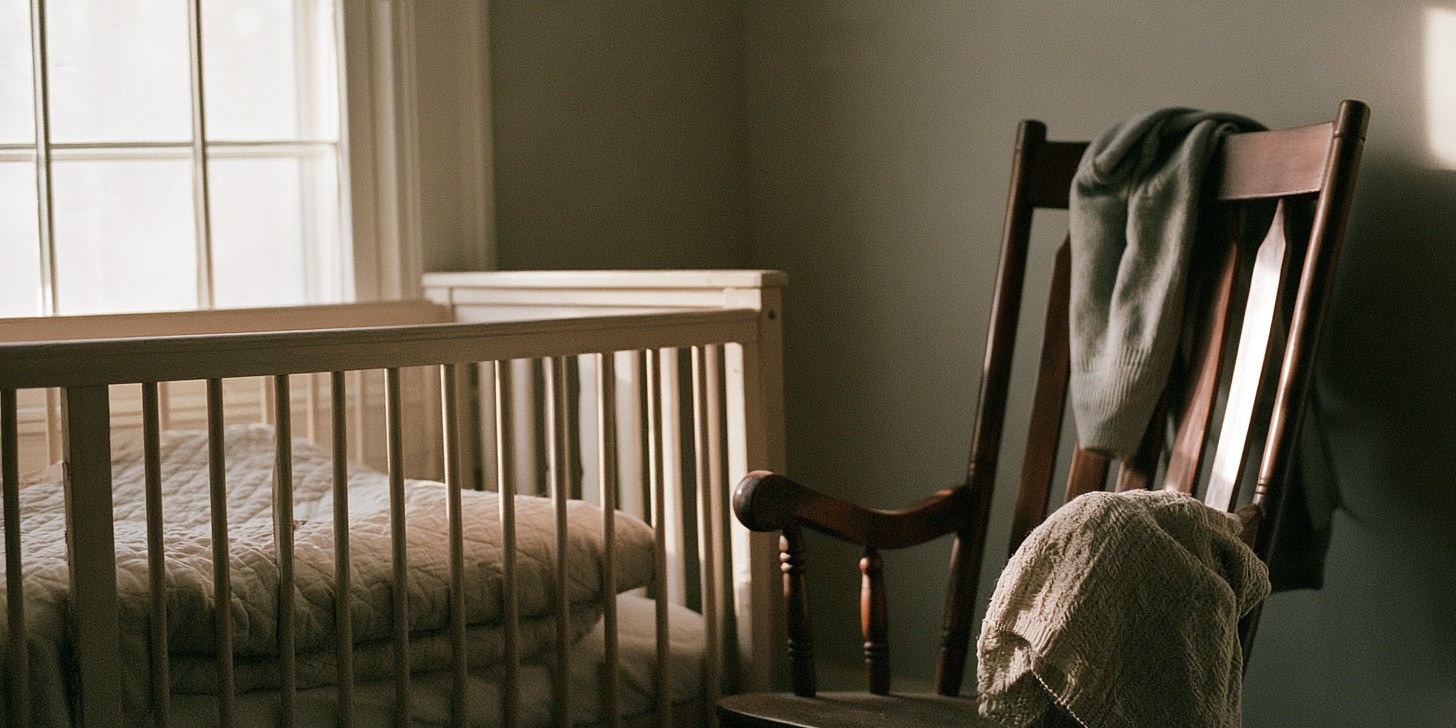
Adoption has its own timeline of firsts, different from biological parenthood, but no less profound. Many adoptive parents say, looking back, that they wish they'd captured more of the process itself, not just the moment it was finalized.
The wait deserves its own record, not just the outcome
Adoption often involves months or years of waiting, paperwork, uncertainty, and hope before a child ever arrives. Most families skip straight to documenting "the day we met", but the wait itself is part of the story, and it tends to disappear from memory faster than people expect once the busyness of actual parenting begins.
What's worth capturing, specific to adoption
The moment you found out, however it happened A phone call, an email, a piece of news that changed everything instantly. The exact details (where you were standing, who you called first, what you felt) fade quickly once daily life takes over.
A message written during the wait, to the child you hadn't met yet Many adoptive parents write letters or record messages during the process, addressed to a child they don't yet know, describing the hope and uncertainty of that specific period. These become incredibly meaningful later, proof that the love started before the meeting did.
The actual moment of meeting, in as much detail as possible Not just a photo: the sounds, the room, who else was there, what was said in the first few minutes. This moment often feels like it will be permanently vivid in memory. It rarely stays that way without help.
Any story you can gather about your child's life before you If there's any information available (however small) about a child's early life, biological family, or history before joining your family, gathering and preserving it (respectfully and appropriately) can matter enormously to that child later, even if it seems minor now.
A message explaining the adoption story in the child's own age-appropriate terms, recorded at different ages Adoption conversations evolve as a child grows, the way you explain it at 4 is different from 10, which is different from 16. Recording these conversations (or your own explanations) at each stage creates a real record of how the story was told over time, not just a single "the talk" moment.
Your own fears and hopes going into it, said honestly Adoptive parents often carry private anxieties (will I bond the same way, will this feel different, am I ready) that they rarely admit out loud once the process succeeds. Recording this honestly, even just for yourself or for your child much later, adds a layer of honesty that a purely celebratory narrative usually skips.
Why this matters beyond sentiment
For many adopted children, especially as they become teenagers or adults, having access to the process (not just the result) helps answer questions that otherwise go unanswered: was I wanted before we met? What was that waiting period like? Having real, recorded answers to these questions, rather than secondhand retellings years later, can matter enormously.
A note on pacing
You don't need to capture everything immediately. Even a short voice memo during the wait, or a few lines written the week you met, becomes something irreplaceable later, proof of a story that started before the family did.