
Saving for Them · 2 min read
You Don't Need to Be a Good Writer to Leave a Good Letter
Nobody is grading your letter. What your child will care about is your actual voice on the page, and that takes no talent at all.
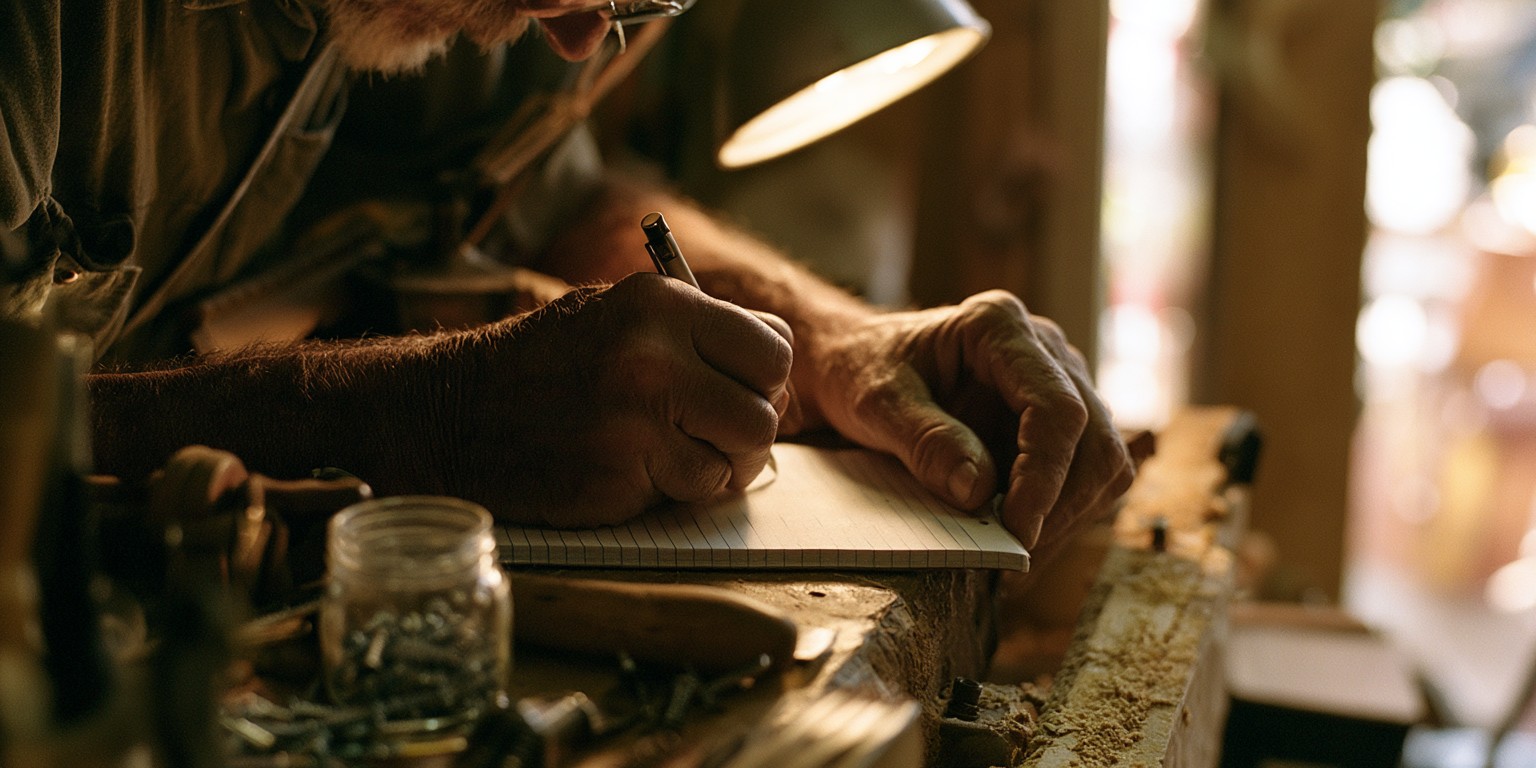
The single biggest reason people never write a letter to someone they love isn't lack of time. It's the quiet belief that they're not good enough at writing to do it justice. This belief is almost always wrong, and it's worth taking apart directly.
The letters that mean the most are rarely well-written
Ask anyone about a letter or note from a loved one that they've kept for years, and it's almost never praised for its prose. It's remembered for what it said, plainly, not how elegantly it said it. A grandmother's slightly rambling letter. A father's short, awkward note that clearly took him a long time to write exactly three sentences. These are treasured specifically because they sound like the real person, imperfections included.
Why "good writing" is actually the wrong goal here
Polished writing often sounds like it was written for an audience: careful, structured, a little performative. A letter meant for someone who loves you doesn't need an audience-facing voice. It needs your actual voice: the way you talk, your specific phrases, even your typical rambling or bluntness. Ironically, trying to sound like "a good writer" often makes a personal letter sound less like you, not more meaningful.
What actually makes a letter land
Specificity, not eloquence "I'm proud of you" said plainly, followed by one specific example, means more than an elaborately worded paragraph saying the same generic thing.
Your actual voice, including its quirks If you're blunt, be blunt. If you ramble, let yourself ramble a little. If you're not naturally sentimental, don't force sentimental language, say it your way. The mismatch between how someone normally talks and how "formal" a letter sounds is often what makes a letter feel oddly impersonal.
Imperfection, left in Crossed-out words, an awkward sentence, a slightly disorganized structure, none of this detracts from a letter's value. If anything, it makes it feel more genuinely handwritten and human, rather than templated.
Brevity is completely acceptable A letter doesn't need to be long to matter. Three honest sentences, said plainly, can outweigh three paragraphs written mainly to fill space.
A simple method if you're stuck
If sitting down to "write a letter" feels intimidating, try this instead:
- Say out loud, as if talking to the person directly, what you want them to know
- Write down exactly what you just said, don't edit the tone, just get it down
- Read it back once. Fix only actual errors, not the voice or phrasing
- Stop there. Resist polishing it into something that no longer sounds like you talking
The real bar to clear
The only real test for a letter like this is whether it sounds like you, and whether it says something true. That's a bar almost anyone can clear, regardless of how they feel about their own writing ability. The people receiving these letters aren't grading them. They're just grateful to have your actual voice on the page.