
Keeping Memories Safe · 2 min read
The Family Recipe That Almost Got Lost
The dish everyone loves is usually the one nobody wrote down. How to capture a recipe that lives entirely in someone's hands.
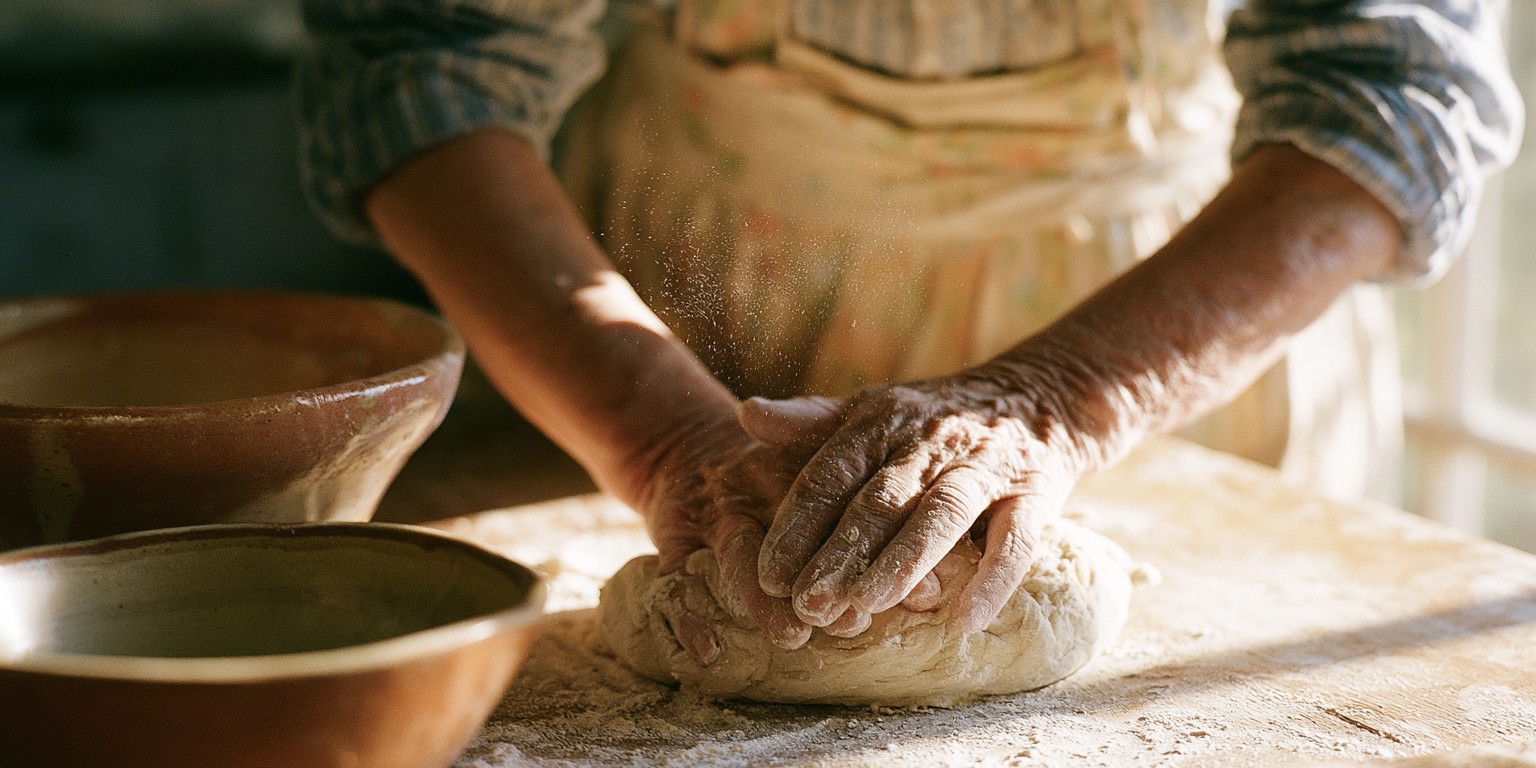
Almost every family has one: a recipe that existed only in someone's head, never written down, passed along through watching rather than instructions, until the person who knew it best wasn't around to ask anymore. Here's why this happens so often, and how to make sure it doesn't happen to yours.
Why family recipes disappear more easily than people expect
The people who hold a family's signature recipes rarely wrote them down in the first place: they cooked by feel, by memory, by decades of repetition. "A pinch of this, until it looks right" isn't something you can hand down as a document; it's something you absorb by standing in the kitchen with them. Once that person is gone, or simply not cooking as often, the recipe often goes with them, half-remembered by everyone else.
What's worth capturing, beyond just ingredients
The recipe itself, in as much detail as you can get Not just ingredients and rough amounts: the specific technique, the order of operations, the little adjustments made by feel ("you'll know it's ready when it smells like this"). These details are usually the hardest part to reconstruct later and the first part to be forgotten.
Why the recipe matters, not just how to make it Where it came from, who taught it to whom, what occasion it's tied to. A recipe without its story is just instructions; the story is often what makes a dish feel like family rather than just food.
A video of the actual process, not just written steps Certain techniques (a specific fold, a particular way of testing doneness, a hand motion that's hard to describe in words) are far easier to preserve on video than in a written recipe card. This is often the single most valuable thing to record before it's too late.
The version that didn't quite work, and how it got fixed Family recipes often evolved through trial and error over years. Capturing that evolution (what changed, and why) adds richness that a single "final" version doesn't convey on its own.
Who else contributed to the recipe over time Many family dishes were shaped by more than one person across generations, a grandmother's base recipe adjusted by a parent, tweaked again later. Naming each contributor keeps that layered history intact, rather than crediting just one person by default.
Why this deserves the same urgency as other family history
Recipes often get treated as a lower priority than photos or letters, but they carry the same risk of disappearing, and once someone who held the recipe by memory is gone, there's frequently no way to recover the exact version, no matter how many similar recipes exist online. A recipe like this is genuinely irreplaceable, not just sentimental.
A simple way to start
Ask the person who makes it best to cook it one more time, on camera, narrating as they go, even if they've made it a thousand times and don't think it needs explaining. What feels obvious to them is usually exactly what everyone else will need later.