
Grandparenting · 3 min read
How to Write a Letter to Your Future Grandchild
You are not writing to the baby in front of you. You are writing to the adult they become, and that changes what is worth saying.
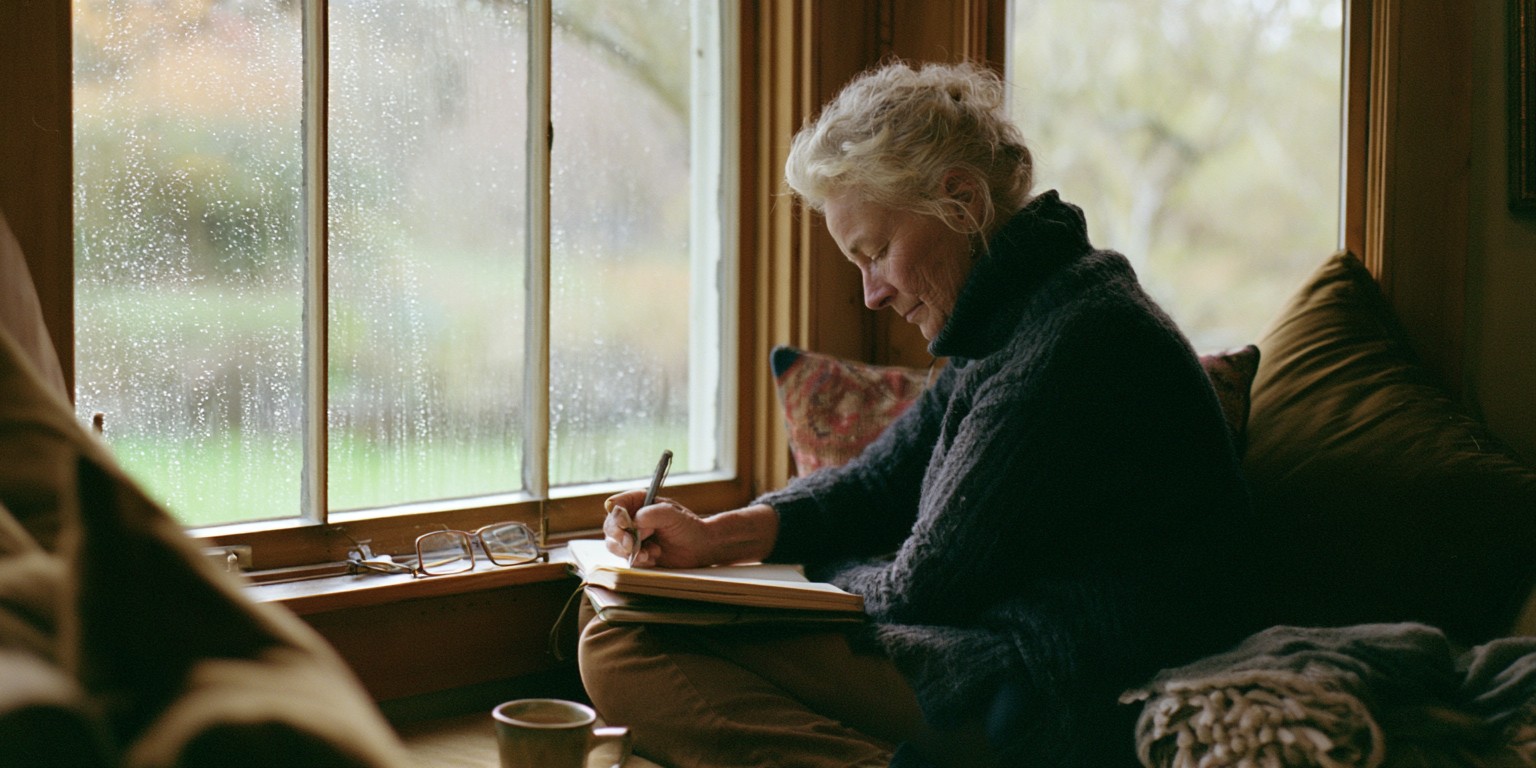
There's something different about writing to someone you haven't met yet. Maybe your grandchild isn't born. Maybe they're two years old and can't read yet. Either way, you're writing across time, and that can feel bigger than sitting down to write a birthday card.
Here's the good news: you don't need to be a writer. You just need to be honest.
Why write a letter at all?
A letter (or a recorded video or voice message) becomes something your grandchild can return to again and again. Long after a conversation is forgotten, a letter still says the same thing, in your voice, in your words. It becomes proof: I was thought of, before I could even understand what that meant.
For grandparents especially, this is a way to pass down more than advice. It's a way to pass down presence, even for moments you may not be there for in person.
Start with one question: What do you want them to know?
Not what you want to say: what you want them to know, years from now, when they read or watch this. A few starting points:
- What was happening in the world (and in your family) when they were born
- What you hope for their life, without trying to script it
- A story about their parent as a child, or about your own childhood
- Something true about love, failure, or resilience that took you years to learn
- Simply: what they mean to you, even before meeting them
You don't need all five. Pick one and let it breathe.
Write like you're talking, not performing
The letters that mean the most rarely sound "written." They sound spoken. If you get stuck, try saying it out loud first, then write down what you said. Skip the grand opening lines like "As I sit here writing this...", just start where you'd start if they were sitting across from you.
Give it context, not just emotion
Future you (or future them) will love the small details that seem too ordinary to mention now:
- What the weather was like that day
- What was in the news
- What their parents were doing when they found out about them
- A song playing on the radio, a smell in the kitchen, a joke someone made
These details anchor the letter in a real moment, rather than a greeting-card sentiment.
Don't aim for perfect, aim for true
It's easy to overthink a letter meant to last decades. But your grandchild won't be grading your grammar. They'll be listening for you: your humor, your voice, the way you think. A slightly messy, honest letter will always land better than a polished but generic one.
Consider recording it, too
A written letter is timeless, but a voice or video message adds something words alone can't: your laugh, your pauses, the way you say their name. If you're able to, consider pairing a short written note with a recorded message, even 60 seconds captures something a page never could.
When to write it, and when to send it
Some grandparents write one letter for a big moment: a wedding day, an 18th birthday, the day they graduate. Others write a little at a time, a message for each birthday, sealed and saved. There's no wrong timeline. The only rule is: write it before you talk yourself out of it.
A gentle nudge
If you've been meaning to do this for a while, consider this your sign to start today, even just a few lines. You can always add more later. What you can't do is go back and write it from a moment you let pass by.