
Family History · 2 min read
What Immigrant Parents Wish They'd Written Down About Where They Came From
The details that never got written down because there was no time. What immigrant parents most often wish they had recorded.
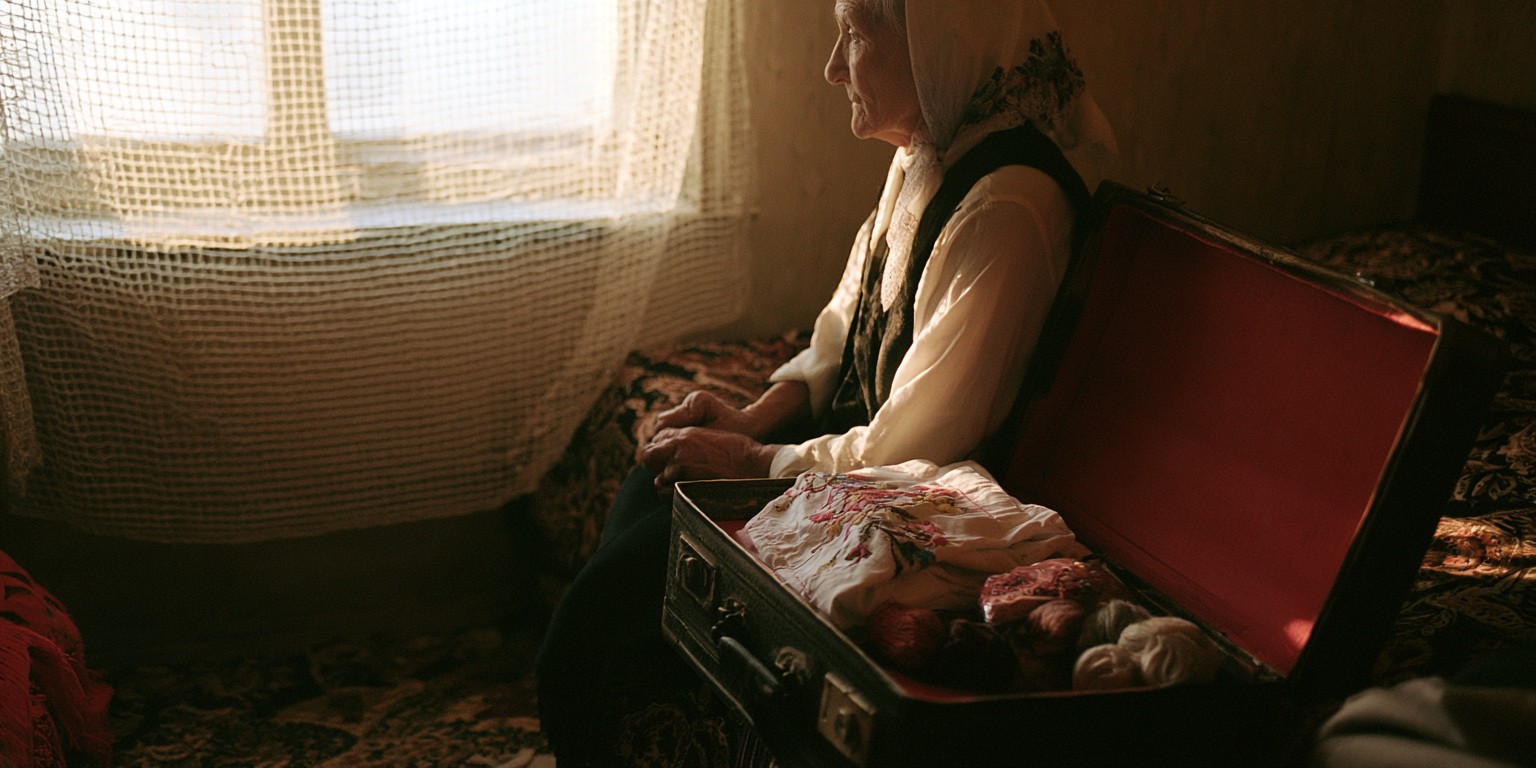
There's a specific kind of loss that happens across generations in immigrant families, not dramatic, just quiet. A grandparent's stories fade. A language spoken fluently by one generation is only half-understood by the next. Details about "home," wherever that was, get thinner with each generation that grows up somewhere else.
Why this history disappears faster than people expect
Immigrant parents are often focused, understandably, on building a stable life in a new country: work, language, logistics, survival. Storytelling about where they came from often gets treated as something for "later," a conversation for another day. But children raised in a new country are simultaneously growing more distant from that history simply by growing up somewhere else, and "later" often arrives after too much has already been forgotten or left unasked.
What's worth writing down or recording
The actual reason for leaving, told directly and specifically Not just "for a better life", the real, specific circumstances. What was happening at the time. What the decision actually felt like, including the fear or uncertainty most people leave out of the simplified version told to kids.
A description of home, as it actually was, not a postcard version The sounds of the street, the specific smell of a meal, what a regular Tuesday looked like there. Kids raised elsewhere often only inherit a vague, idealized image of "home." The specific, ordinary details are what actually bring it to life.
Family names, relationships, and stories that don't exist anywhere else Names of relatives who never made the journey, stories about ancestors, family history that lives only in memory rather than any official record. Once the generation that remembers this firsthand is gone, this information is often permanently lost. There's frequently no other place it's written down.
The experience of arriving, in specific detail The first days, the first job, the first time something felt disorienting or surprising about the new country. This part of the story often gets skipped over in favor of "and then things got better," but the specific texture of that transition is exactly what gets lost first.
Words, phrases, or sayings that don't translate directly Many languages carry idioms, sayings, or specific words that lose meaning in translation. Recording these (along with an explanation of what they really mean) helps preserve something that a dictionary alone can't capture.
What was sacrificed, said honestly Many immigrant parents made significant sacrifices (leaving family, status, an established life) that they don't discuss directly with their kids, either to protect them or because it feels unnecessary to bring up. Naming this honestly gives children a fuller, more accurate understanding of their own history.
Why this matters for the next generation specifically
Children and grandchildren of immigrants often describe a specific kind of disconnection, knowing they come from somewhere, without really knowing the texture of it. Written or recorded family history closes that gap in a way that a vague sense of heritage alone cannot. It turns "my family is from there" into an actual, specific, inherited story.
A starting point
Ask one grandparent, parent, or older relative to describe one ordinary day from their life before immigrating, not the big events, just an ordinary day. That single recording often becomes more valuable, over time, than anything more polished or curated.