
Saving for Them · 2 min read
Giving Twins (and Multiples) a Story of Their Own
Twins share the milestones, the parties and the photographs. How to give each of them a record that is only about them.
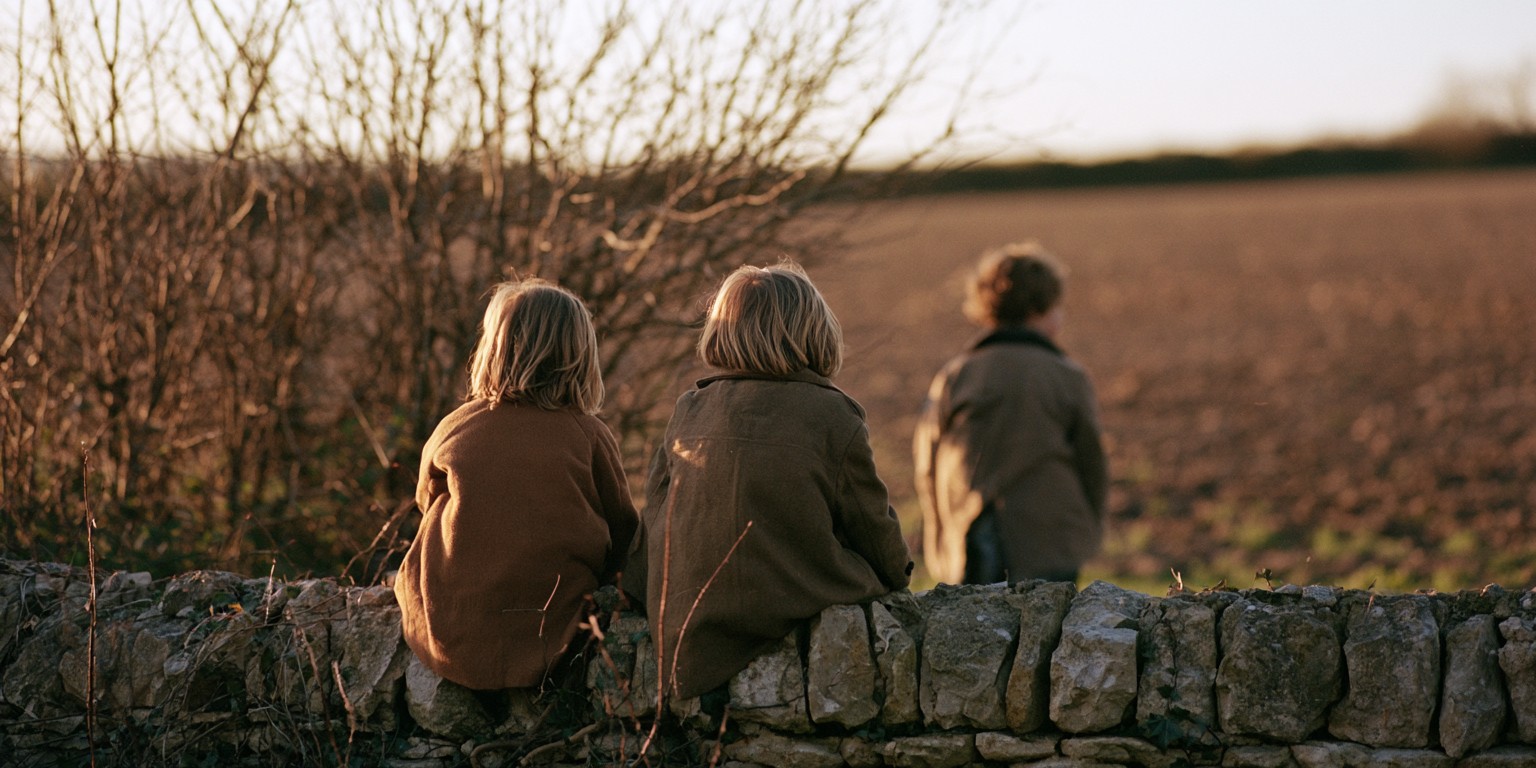
Twins and multiples are often documented as a unit: matching outfits, joint birthday parties, "the twins" as a single recurring character in family photos and stories. It's understandable why this happens, but it can quietly leave out something each child deserves individually: a record of who they are, distinct from their sibling.
Why individual documentation gets skipped so easily
Practically speaking, it's simply more efficient to photograph, celebrate, and talk about multiples together: same milestones, same age, often the same events. Over time, this efficiency can unintentionally flatten two (or more) distinct individuals into a single shared narrative, even when their personalities, preferences, and experiences are genuinely different.
What's worth capturing separately for each child
Individual personality traits, named specifically Rather than general comparisons ("one's the quiet one, one's the loud one"), capture specific, standalone observations about each child on their own terms, what makes this particular kid who they are, independent of their sibling as a reference point.
A message addressed to just one of them Even something short (a letter or recording meant only for one twin, not both) reinforces that each child is seen as a complete individual, not one half of a pair.
Their own version of shared family stories When something happens to both multiples at once, each may remember or experience it differently. Asking each one to describe the same shared moment separately often reveals surprisingly distinct perspectives worth preserving individually.
Solo milestones, not just shared ones A first day of school might happen on the same day for both, but their individual reactions, friendships, and experiences within it are separate stories worth documenting on their own.
What makes their relationship to each other unique, without erasing their individuality The sibling bond between multiples is often genuinely distinct and worth capturing too, but this can be documented in addition to their individual identities, not as a replacement for them.
A note on comparison
It's worth being mindful that individual documentation isn't about ranking or comparing multiples against each other ("who's smarter," "who's more social"). It's about recognizing each child as a complete person on their own terms, separate from constant reference to their sibling.
Why this matters more as they grow older
Many adult twins and multiples describe a specific, lingering feeling of having been treated as a unit for much of childhood, well-intentioned, but occasionally at the cost of individual identity. A family record that clearly reflects each child separately, alongside their shared bond, can meaningfully counter that experience.
A simple starting point
Next time you're documenting a moment involving multiples, try capturing one individual detail about each child separately: not comparative, not shared, just about them specifically. Over time, this builds a record where each child sees themselves as fully, individually seen, not just one half of "the twins."