
How Memory Works · 2 min read
Why We Cry at Old Home Videos We Didn't Even Know We Had
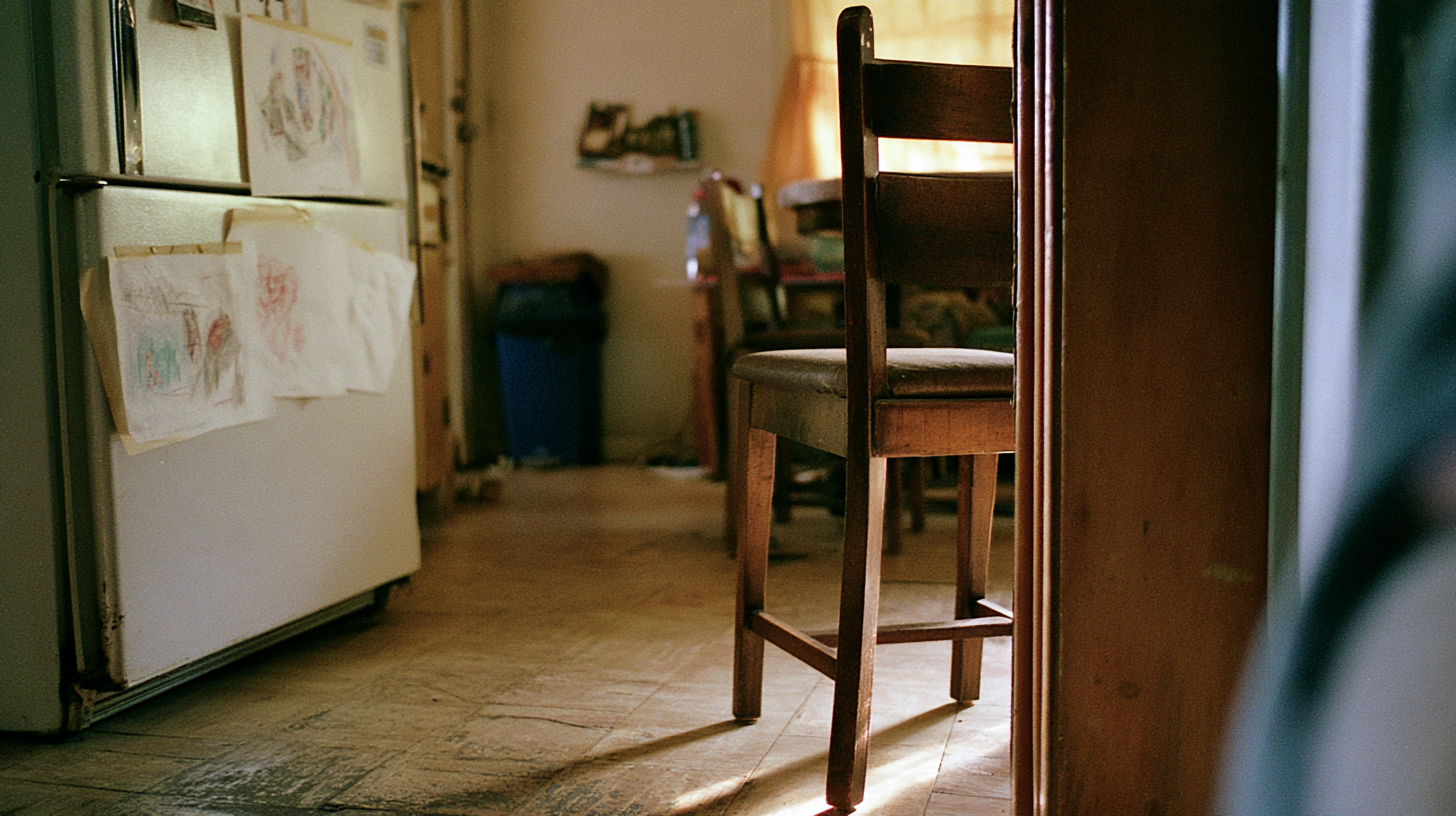
It is never the birthday cake that gets you. It is the background: the kitchen, the voice off-camera, the ordinary day nobody staged.
There's a specific kind of emotional ambush that happens when an old home video surfaces unexpectedly, a forgotten tape found in a drawer, a folder discovered while clearing out a hard drive. Within seconds, something that felt like distant history becomes overwhelming. Here's why that happens.
It's not really about what's on the video
The footage itself is often mundane: a birthday party, a random afternoon, someone narrating badly with a camcorder. What hits hard isn't the content; it's the access it gives you, briefly, to a version of a moment (or a person) you'd stopped being able to picture clearly.
Why unexpected footage hits harder than footage you meant to watch
There's a difference between deliberately rewatching an old video (which you're emotionally braced for) and stumbling onto one you didn't know existed. The surprise removes your usual defenses. You're not prepared to hear a voice that's changed, or see a person who's no longer around, or watch your own younger self say something you'd completely forgotten. That lack of preparation is exactly what makes it overwhelming.
What these moments reveal about memory
Rediscovered footage often shows how much has quietly been lost without anyone noticing. A parent's voice sounding younger than you remembered. A sibling's mannerisms as a kid that disappeared entirely by adulthood. A version of your own personality (how you talked, what you cared about) that no longer matches who you are now. None of this felt like it was fading in real time. It only becomes obvious in contrast, watching old footage against present memory.
Why so much home footage ends up "lost" in the first place
Old formats degrade or become unplayable, VHS tapes, old camcorder formats, hard drives that eventually fail. Footage gets buried in unlabeled folders, forgotten devices, or old cloud accounts no one thinks to check. Most families don't lose footage on purpose; they lose track of where it's stored, and it quietly becomes inaccessible for years, sometimes decades, until someone stumbles onto it.
What this suggests about how we should be saving things now
If old, forgotten footage hits this hard by accident, it raises an obvious question: why leave this kind of impact entirely up to chance? Rather than letting footage get buried in unlabeled folders or outdated formats, deliberately organizing and revisiting family recordings (on purpose, on a schedule) turns something you might stumble onto once into something you can actually return to whenever you want it.
A small practice worth starting
Instead of waiting for random rediscovery, consider setting aside a specific day each year (a birthday, an anniversary, a holiday) to intentionally revisit old recordings and add new ones. This turns an accidental, overwhelming experience into something ongoing and much less about loss, and much more about actually staying connected to who your family has been over time.